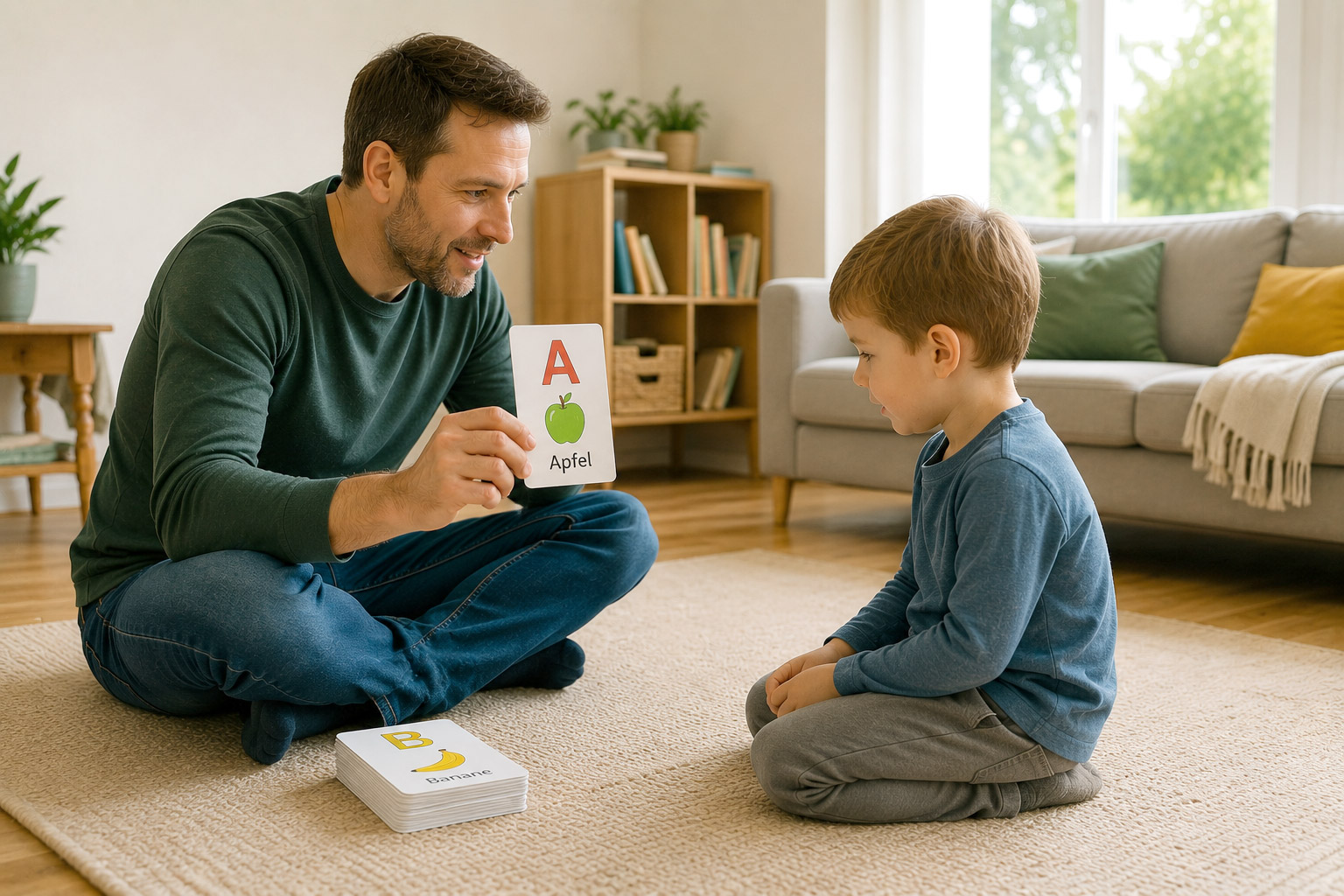
Letters and Sounds are among the most important foundations for learning to read and write. Recognizing individual letters is an important first step, but children also need to understand that every letter represents a specific sound.
As preschoolers gradually learn to connect letters with sounds, they begin to recognize words more easily and develop the skills needed for future reading and writing success.
The good news is that children can learn these connections naturally through playful activities, conversations, songs, and everyday experiences.
In this article:
- Why Are Letters and Sounds Important?
- How Do Children Learn Letters and Sounds?
- Playful Activities to Try at Home
- Common Mistakes Parents Should Avoid
- Using Digital Support Effectively
- Conclusion
Why Are Letters and Sounds Important?
When children learn to read and write, they need to understand that letters stand for particular sounds. Simply recognizing letters is not enough.
For example, when children see the letter A while simultaneously hearing the sound /a/, they gradually build important connections in the brain. These connections later become essential for reading.
Children who can successfully connect Letters and Sounds often recognize words more easily and develop stronger language and literacy skills.
How Do Children Learn Letters and Sounds?
Many children begin discovering the relationship between letters and sounds during the preschool years.
Helpful activities include:
- reading books together
- rhyming games
- songs and nursery rhymes
- recognizing beginning letters
- language games during everyday activities
Many preschoolers first become interested in the letters of their own names. This personal connection often creates a natural pathway into early literacy.
Playful Activities to Try at Home
Children learn Letters and Sounds especially well through active, playful experiences.
Try these simple activities:
1. Find Objects That Start with a Particular Sound
Choose a sound, such as /m/, and invite your child to search for objects around the house that begin with that sound.
2. Play Rhyming Games
Simple rhyming games help children hear similarities and differences between sounds in spoken language.
3. Match Letter Cards to Sounds
Show a letter card, say the corresponding sound, and encourage your child to repeat it.
4. Sort Animals by Beginning Sounds
Look at pictures of animals and sort them according to their first sounds.
5. Trace and Say Letters Aloud
Children can trace letters while saying the sounds aloud, combining movement, touch, and hearing.
6. Spell Their Own Name
Many children enjoy spelling and sounding out the letters in their own names.
Short learning sessions lasting five to ten minutes are usually completely sufficient.
Common Mistakes Parents Should Avoid
Many parents initially focus only on letter names. However, for later reading success, letter sounds are often even more important.
For example, children benefit from hearing the sound /m/ rather than only learning the letter name “em.”
Common mistakes include:
- putting too much pressure on children
- planning learning sessions that are too long
- constantly correcting mistakes
- comparing children with others
- expecting perfect results too early
Positive experiences and enjoyment of learning are always more important than perfection.
Using Digital Support Effectively
Educational apps can provide valuable support when children are learning Letters and Sounds. High-quality apps often combine visual, auditory, and interactive experiences.
Apps that pronounce letter sounds and encourage active participation can be especially motivating for preschoolers.
However, digital activities should always complement real-world experiences rather than replace them.
ABC with Yeti offers children playful opportunities to explore letters, handwriting, and first words through more than 8 learning activities, 80 unlockable animals, and 9 handwriting fonts.
Conclusion
Letters and Sounds form one of the most important foundations for later reading and writing success.
Through playful activities, conversations, songs, and positive learning experiences, parents can effectively support their child’s early literacy development.
Children who understand that letters represent sounds often find it easier to learn reading and writing later on.
Frequently Asked Questions About Letters and Sounds
Why are letter sounds important for children?
Letter sounds help children recognize words and eventually learn to read and write.
At what age do children begin learning letters and sounds?
Many children become interested in letters and their sounds between the ages of four and six.
Should children learn letter names or sounds first?
Children usually learn both together, but understanding sounds is particularly important for later reading development.
How long should preschool children practice?
Short, playful learning sessions of five to ten minutes are usually sufficient.
What activities help children learn letter sounds?
Rhyming games, songs, reading aloud, and sound-matching activities are all excellent ways to support learning.
ABC with Yeti is a lovingly designed educational app for preschool and elementary school children.
Children learn playfully:
- letters
- handwriting
- first words
The app offers:
- 8+ learning activities
- 80 unlockable animals
- 9 different handwriting fonts
- Suitable for preschool, kindergarten and elementary school
Discover More Parent Tips
From learning letters and handwriting to fine motor skills and school readiness: explore many more practical ideas and activities for preschoolers and elementary school children.
Explore all Parent Tips →