
Many parents eventually ask themselves: When should my child learn to write? While some children want to write their first letters during kindergarten, others only become interested in pencils and paper shortly before starting school.
The good news is: There is no fixed age at which children must learn to write. Far more important than age are a child’s individual abilities, interests, and enjoyment of discovering letters and words.
In this article:
- Is There a Perfect Time to Learn to Write?
- What Skills Should Children Have?
- How Can Parents Recognize Writing Readiness?
- How Parents Can Support Learning to Write
- Why Pressure Often Has the Opposite Effect
- Conclusion
Is There a Perfect Time to Learn to Write?
There is no single perfect time. Every child develops at a different pace.
Many children begin showing interest in letters between the ages of four and six. Some want to write their own name, while others enjoy recognizing letters on signs or packaging.
What matters is not learning to write as early as possible. Much more important is that children develop the necessary foundational skills and maintain their joy of learning.
What Skills Should Children Have?
Before children can write letters, they first develop many important pre-writing skills.
These include:
- sufficient fine motor skills
- pencil control
- hand-eye coordination
- concentration skills
- interest in letters and language
- first experiences with drawing and painting
These abilities usually develop naturally through play, crafts, drawing, and everyday experiences.
How Can Parents Recognize Writing Readiness?
Many children show clear signs that they are ready to make their first attempts at writing.
Typical signs include:
- interest in their own name
- asking questions about letters
- drawing letter-like shapes
- enjoying tracing activities
- interest in books and written language
- frequent drawing and coloring
When children spontaneously ask about letters or want to copy them, it is often a good time to introduce playful writing activities.
How Parents Can Support Learning to Write
Learning to write begins long before children write complete words.
Helpful activities include:
- reading together
- discovering letters in everyday life
- pre-writing exercises
- drawing and crafting
- tracing letters
- learning to write their own name
Activities connected to a child’s own interests are especially motivating.
Why Pressure Often Has the Opposite Effect
Many parents worry that their child may fall behind compared to other children. This can sometimes create unnecessary pressure.
Learning to write works best when children can:
- stay curious
- make their own discoveries
- make mistakes
- learn through play
- experience success
If children are pushed too early, motivation may actually decrease.
Conclusion
When should my child learn to write? The answer is simple: when they have developed the necessary foundations and show interest in letters.
For most children, this happens naturally sometime between the kindergarten years and school entry. Parents can support this process, but should avoid pressure and rigid expectations.
With joy, patience, and playful activities, children build the best foundation for successful writing development.
Frequently Asked Questions About Learning to Write
At what age do children usually learn to write?
Many children become interested in their first letters between the ages of four and six.
Does my child need to know how to write before starting school?
No. Learning to write is one of the main tasks of elementary school.
Is it a problem if my child is not writing letters yet?
No. Children develop at different speeds and show interest at different times.
How can I support my child?
Through reading aloud, drawing, crafting, pre-writing exercises, and playful letter exploration.
What is most important?
Children should enjoy discovering letters and never feel pressured.
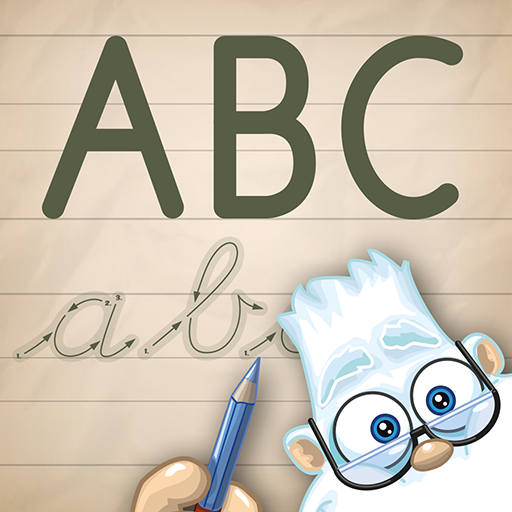
ABC with Yeti is a lovingly designed learning app for preschool and elementary school children.
Children learn playfully:
- letters
- handwriting
- first words
The app offers:
- 8+ learning activities
- 80 unlockable animals
- 9 different handwriting fonts
- Suitable for kindergarten, preschool, and elementary school
Discover More Parent Tips for Learning to Write
From first letters and fine motor skills to pencil grip and school readiness, you’ll find many practical activities and tips for preschoolers and elementary school children.
Explore all Parent Tips →