
Learning Letters at Age 5 is an exciting stage for many children. Around this age, preschoolers often become increasingly interested in letters, words, and written language. Five-year-olds are usually ready to gain their first experiences with letters and build important foundations for later reading and writing.
At the same time, parents often wonder whether their child should already know all letters before starting school. The answer is simple: there is no pressure. Children learn best through curiosity, movement, play, and positive experiences.
In this article, you will discover how to support Learning Letters at Age 5 through playful and age-appropriate activities at home.
In this article:
- Is Age 5 the Right Time to Learn Letters?
- Why Learning Letters in Preschool Matters
- The Best Activities to Try at Home
- Common Mistakes Parents Should Avoid
- Discovering Letters in Everyday Life
- Using Digital Support Effectively
- Conclusion
Is Age 5 the Right Time to Learn Letters?
Many children begin showing interest in letters between the ages of five and six. They start recognizing letters on signs, want to write their names, or ask questions about words and writing.
This growing interest is an important developmental milestone. Parents do not need to create formal lessons at home. It is far more important to respond to their child’s natural curiosity.
Every child develops differently. While some children already know many letters, others are initially more interested in stories, language, or creative activities.
Why Learning Letters in Preschool Matters
Learning letters provides an important foundation for later reading and writing success.
Children do not simply learn to recognize symbols. They also begin understanding that letters represent sounds and words.
Children often learn letters more easily when they connect them with familiar words, for example:
- A for Apple
- B for Ball
- M for Mom
- D for Dad
These connections help children gradually build important links between spoken and written language.
The Best Activities to Try at Home
Children learn letters especially well through active, hands-on experiences.
These activities work particularly well:
1. Write and Recognize Their Own Name
Many children are especially motivated when practicing the letters in their own names.
2. Form Letters with Play Dough
Roll play dough into long strands and shape them into letters together.
3. Write Letters in Sand
Invite children to trace letters in sand, flour, or shaving cream using their fingers.
4. Sort Letter Cards
Sort letters by shape, color, or beginning sounds.
5. Search for Favorite Letters
Choose a favorite letter and look for it around the house or outdoors.
6. Paint Letters with Finger Paints
Finger painting combines creativity, sensory play, and early literacy.
7. Trace Letters on a Whiteboard
Children often enjoy repeatedly tracing and erasing letters on whiteboards.
Short practice sessions lasting five to ten minutes are usually completely sufficient.
Common Mistakes Parents Should Avoid
Parents naturally want to support their children as much as possible. However, good intentions can sometimes unintentionally create difficulties.
Common mistakes include:
- putting children under too much pressure
- planning learning sessions that are too long
- constantly correcting mistakes
- comparing children with others
- expecting too much too soon
The most important goal should always be to preserve the joy of learning. Children learn more effectively when letters are connected with positive experiences.
Discovering Letters in Everyday Life
Everyday life offers countless opportunities for children to explore letters naturally.
Children can discover letters while:
- reading street signs
- looking at food packaging
- sharing favorite books together
- recognizing name labels
- spotting letters on clothing
Many children learn faster through everyday experiences than through traditional worksheets.
Using Digital Support Effectively
Educational apps can complement letter learning in meaningful ways.
High-quality learning apps combine seeing, hearing, and active participation. Children can recognize letters, trace them, and discover their first words.
However, digital activities should always complement practical experiences rather than replace them.
ABC with Yeti offers children playful opportunities to practice letters, handwriting, and first words through more than 8 educational activities, 80 unlockable animals, and 9 different handwriting fonts.
Conclusion
Learning Letters at Age 5 can be a wonderful and exciting experience when children are supported through play and encouragement.
Short activities, everyday learning opportunities, and positive experiences help children build strong foundations for future reading and writing.
By nurturing children’s natural curiosity, parents can make an important contribution to school readiness.
Frequently Asked Questions About Learning Letters at Age 5
Should a 5-year-old already know all letters?
No. Some children know several letters at this age, while others become interested later. Both are completely normal.
How long should children practice each day?
Five to ten minutes of playful practice are usually sufficient.
Which letters do children typically learn first?
Many children first become interested in the letters in their own names.
Are worksheets necessary?
No. Playful activities and everyday experiences are often much more effective.
What is the best way to teach letters at age 5?
Children learn best through games, movement, sensory activities, books, and everyday experiences.
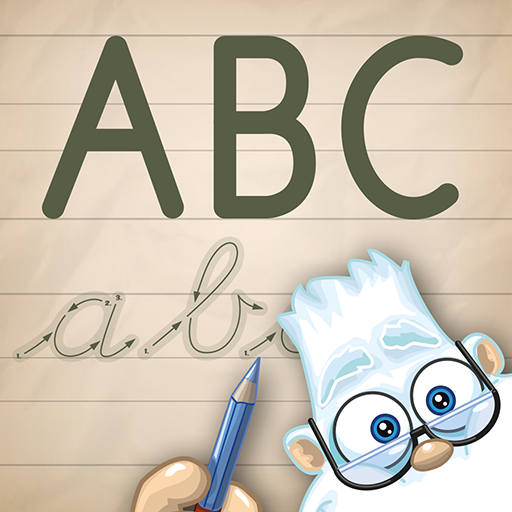
ABC with Yeti is a lovingly designed educational app for preschool and elementary school children.
Children learn playfully:
- letters
- handwriting
- first words
The app offers:
- 8+ learning activities
- 80 unlockable animals
- 9 different handwriting fonts
- Suitable for preschool, kindergarten and elementary school
Discover More Parent Tips
From learning letters and handwriting to fine motor skills and school readiness: explore many more practical ideas and activities for preschoolers and elementary school children.
Explore all Parent Tips →