
Not every child immediately shows enthusiasm for letters, pencils, or first writing attempts. Many parents worry when their child seems uninterested in learning to write.
The good news: In many cases, there is no serious problem. Children develop at different speeds and sometimes simply need different approaches, more time, or more motivating learning experiences.
In this article, you’ll learn why some children are reluctant to write, how to motivate them playfully, and when parents should take a closer look.
In this article:
- Why Do Some Children Not Want to Learn to Write?
- Why Pressure Often Has the Opposite Effect
- How to Motivate Your Child Playfully
- Practical Ideas for Home
- When Parents Should Take a Closer Look
- Using Digital Support Wisely
- Conclusion
Why Do Some Children Not Want to Learn to Write?
Many children would rather play, build, climb, or move around. Writing may simply seem tiring or uninteresting to them.
Some children also still struggle with fine motor skills or become overwhelmed easily.
Common reasons include:
- little interest in letters
- lack of confidence when writing
- weak fine motor skills
- expectations that are too high
- negative experiences during practice
However, this does not automatically mean that problems with reading or writing will occur later on.
Why Pressure Often Has the Opposite Effect
When children feel that they absolutely must be able to do something, resistance often develops.
Especially during the preschool years, children learn best through curiosity, enjoyment, and personal experiences.
Too much pressure can cause children to associate writing with stress and become even more reluctant.
Instead, try to create regular small successes rather than forcing long practice sessions.
How to Motivate Your Child Playfully
Children are especially motivated when writing serves a meaningful purpose.
Helpful activities include:
1. Writing Their Own Name
Many children enjoy practicing their own name first.
2. Creating Birthday Cards
Writing messages for family members gives writing a meaningful context.
3. Making Shopping Lists
Children love helping with everyday tasks.
4. Labeling Favorite Animals
Writing about favorite topics often increases motivation.
5. Writing Messages to Family Members
Short notes can make writing feel exciting.
6. Forming Letters with Play Dough
Hands-on activities make learning feel like play.
The more playful the situation, the greater the motivation usually becomes.
Practical Ideas for Home
Writing does not always have to begin with paper and pencil.
Children can explore letters and words in many different ways:
- drawing letters in sand
- creating sidewalk chalk art
- forming letters with natural materials
- using magnetic letters
- painting letters with finger paints
- forming words with play dough
These activities create positive experiences without performance pressure.
When Parents Should Take a Closer Look
In most cases, a lack of interest is completely normal.
However, if strong motor difficulties, severe frustration, or noticeable language difficulties occur at the same time, it may be helpful to talk with preschool teachers, school staff, or a pediatrician.
Early support often helps children rediscover the joy of learning.
Using Digital Support Wisely
Some children are more motivated by digital learning tools than by traditional worksheets.
Applications that combine writing with games, rewards, and positive experiences can be especially helpful.
Digital activities should always complement real-life experiences rather than replace them.
Conclusion
When a child does not want to learn to write, there is usually no serious problem behind it.
With patience, playful activities, and positive experiences, many children naturally develop an interest in letters and writing.
More important than perfect results are enjoyment, curiosity, and small successes.
Frequently Asked Questions
Is it normal if my child does not want to write?
Yes. Many children develop an interest in writing at different times.
Should I force my child to practice writing?
No. Pressure often leads to resistance and frustration.
Which activities are especially motivating?
Name games, play dough, finger painting, and creative writing activities are often very popular.
When should I become concerned?
If strong motor or language difficulties occur in addition to the lack of interest, professional advice may be helpful.
Can digital learning tools help?
Yes. Many children enjoy learning through playful apps, especially when combined with hands-on activities.
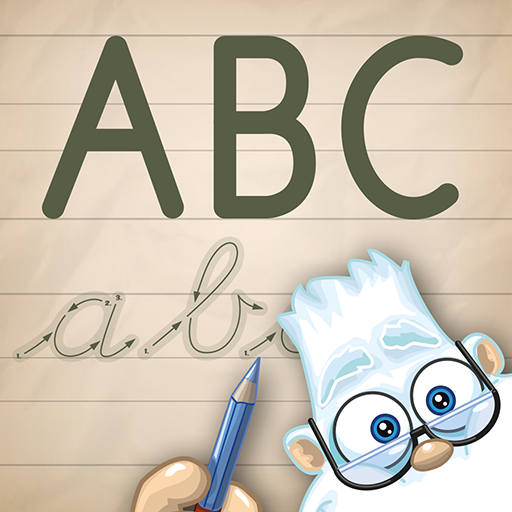
ABC with Yeti is a lovingly designed learning app for preschool and elementary school children.
Children learn playfully:
- letters
- handwriting
- first words
The app offers:
- 8+ learning activities
- 80 unlockable animals
- 9 different handwriting fonts
- Suitable for kindergarten, preschool, and elementary school
Discover More Parent Tips
From first letters and fine motor skills to pencil grip and school readiness: explore many more practical activities and ideas for preschoolers and elementary school children.
Explore all Parent Tips →