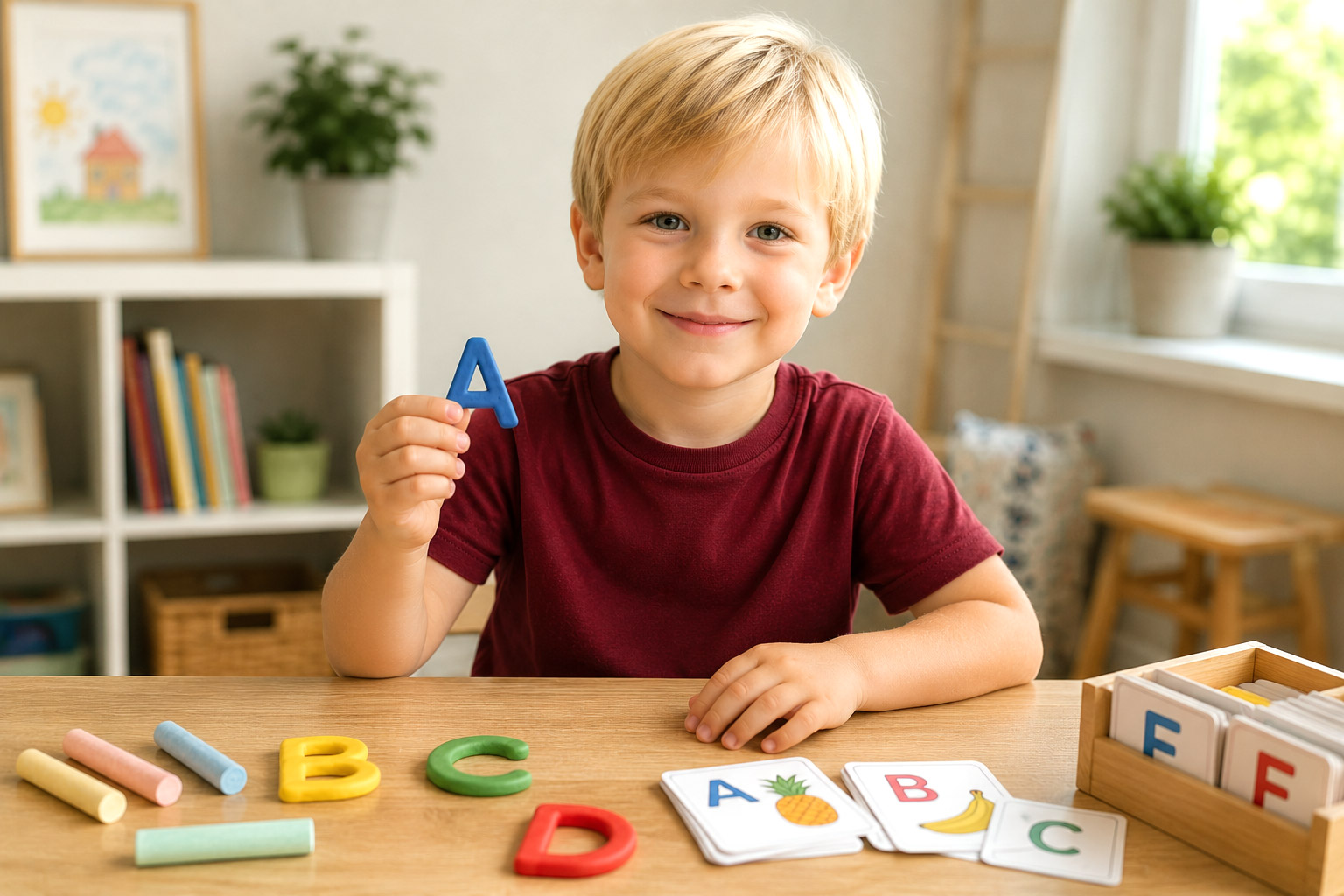
Many children become interested in letters long before starting school. They discover written language in everyday life, recognize the first letters of their names, and often want to learn to read or write on their own.
Parents who help children learn the ABC through play support their natural curiosity and create positive learning experiences. Playful activities improve motivation, concentration, and enjoyment of learning much more effectively than simple memorization.
In this article:
- Why Playful Learning Is So Important
- 15 Fun Ideas for Learning the ABC
- Discovering Letters in Everyday Life
- Tips for Parents
- Using Digital Support Wisely
- Conclusion
Why Playful Learning Is So Important
Children learn most successfully when learning is connected with positive experiences. During the preschool years, exploration, experimentation, and movement play a central role.
Teaching letters in a playful way not only supports alphabet knowledge but also strengthens many other important skills.
Playful letter learning promotes:
- language development
- concentration
- fine motor skills
- creativity
- memory skills
- joy of learning
This creates an important foundation for later literacy development.
15 Fun Ideas for Learning the ABC
There are many ways to naturally integrate letters into everyday life.
Popular ABC learning activities include:
1. Search for letters on street signs
Turn walks into exciting letter hunts and encourage children to spot familiar letters.
2. Practice writing their own name
Children are often highly motivated to learn the letters in their own name.
3. Form letters with modeling clay
Shaping letters strengthens fine motor skills and letter recognition.
4. Draw letters with sidewalk chalk
Large movements outdoors make learning especially fun.
5. Create letters from natural materials
Use sticks, stones, leaves, or shells to form letters.
6. Sing alphabet songs
Songs help children remember letters more easily.
7. Play letter memory games
Matching games strengthen visual recognition skills.
8. Use alphabet bingo games
Playful games increase motivation and concentration.
9. Collect words with the same initial sound
This strengthens phonological awareness.
10. Write letters in sand
Sensory experiences make learning memorable.
11. Design favorite letters
Decorating letters encourages creativity and ownership.
12. Paint letters with finger paints
Messy play often leads to enthusiastic learning.
13. Invent stories about individual letters
Storytelling helps children connect emotionally with learning.
14. Hide and search for letters
Letter treasure hunts are always exciting.
15. Look at picture books together
Books naturally expose children to letters and print.
The more varied the activities, the greater children’s motivation will remain.
Discovering Letters in Everyday Life
Children learn most sustainably when letters are not limited to formal learning situations.
Many learning opportunities arise naturally:
- while shopping
- on street signs
- on packaging
- in picture books
- on vehicles
- during shared reading time
Children gradually realize that letters have meaning everywhere and are an important part of everyday life.
Tips for Parents
Parents can support their child’s letter development in simple ways.
Important guidelines:
- avoid creating performance pressure
- follow your child’s interests
- prefer short learning sessions
- offer plenty of praise and encouragement
- use playful activities
- read together regularly
Even just a few minutes each day can have a positive impact.
Using Digital Support Wisely
Digital learning tools can complement playful letter learning.
Apps are especially helpful when they actively involve children and provide immediate feedback.
Digital learning tools should:
- be age-appropriate
- include playful elements
- encourage active participation
- complement hands-on experiences
- avoid creating performance pressure
Digital exercises should never replace learning with real materials, movement, and everyday experiences.
Conclusion
Learning the ABC through play is usually the best way for preschoolers to gain their first experiences with letters.
Children learn more sustainably when they can discover, touch, create, and experience letters in everyday life.
With varied activities, patience, and joyful shared experiences, children build a strong foundation for future school success.
Frequently Asked Questions About Learning the ABC Through Play
At what age can children begin learning letters?
Many children become interested in their first letters between the ages of four and six.
Do children need to know the alphabet before starting school?
No. Interest in letters is helpful, but complete knowledge of the alphabet is not a requirement.
How long should children practice?
Short playful sessions of five to ten minutes are usually sufficient.
Are apps useful for learning letters?
Yes, if they are age-appropriate and complement hands-on experiences.
What is the most important factor when teaching letters?
Positive experiences, playful learning, and following the child’s interests are the most important factors.
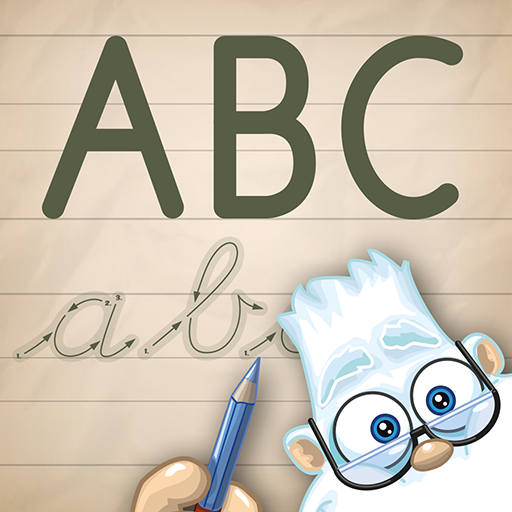
ABC with Yeti is a lovingly designed learning app for preschool and elementary school children.
Children learn playfully:
- letters
- handwriting
- first words
The app offers:
- 8+ learning activities
- 80 unlockable animals
- 9 different handwriting fonts
- Suitable for kindergarten, preschool, and elementary school
Discover More Parent Tips
From first letters and fine motor skills to pencil grip and school readiness: explore many more practical activities and ideas for preschoolers and elementary school children.
Explore all Parent Tips →