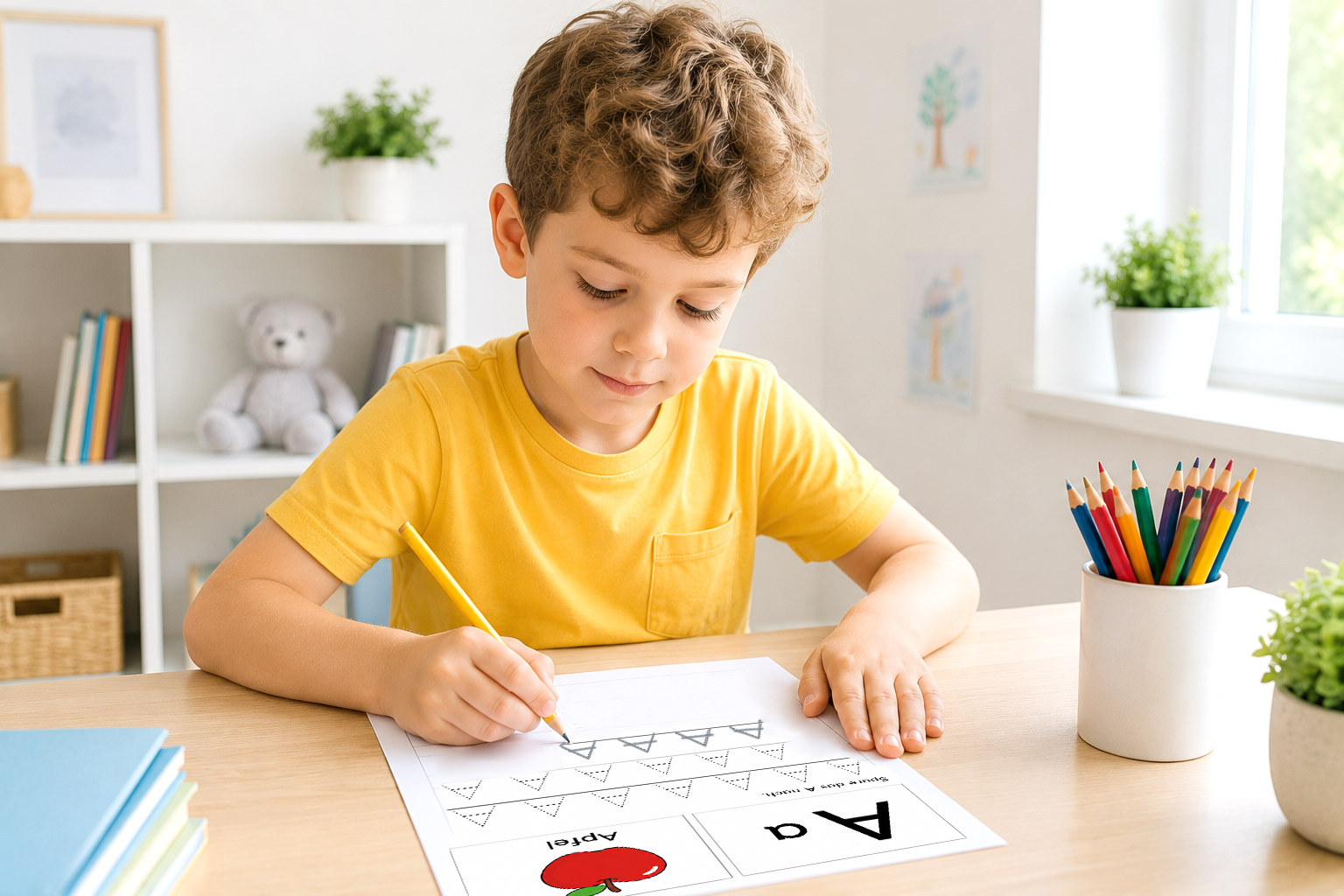
Preschool worksheets are part of school preparation for many families. They promise playful learning, first experiences with letters and numbers, and targeted support for important skills.
But are preschool worksheets really useful? Or do preschool children learn better through play, movement, and everyday experiences? As is often the case, the answer lies in finding the right balance.
In this article:
- When Are Preschool Worksheets Helpful?
- Benefits of Preschool Worksheets
- Possible Drawbacks
- Which Worksheets Are Suitable?
- What Parents Should Consider
- Alternatives to Worksheets
- Conclusion
When Are Preschool Worksheets Helpful?
Worksheets can be a useful addition to preschool learning, especially when children already show an interest in letters, numbers, or early writing activities.
However, it is essential that the activities are age-appropriate and do not create pressure to perform.
Worksheets should never become the primary way children learn. Preschoolers learn mainly through playing, observing, exploring, and experimenting.
Benefits of Preschool Worksheets
When used appropriately, worksheets can support the development of various skills.
Possible benefits of preschool worksheets include:
- improving fine motor skills
- strengthening concentration
- providing first experiences with letters and numbers
- practicing pencil control
- preparing children for school task formats
- encouraging independent work
Many children enjoy solving tasks independently and experiencing visible success.
Possible Drawbacks
Worksheets are not automatically beneficial. If they are introduced too early or used too often, they may even reduce children’s enjoyment of learning.
Possible disadvantages of preschool worksheets:
- too much sitting instead of movement
- performance pressure caused by unrealistic expectations
- limited opportunities for creativity
- risk of frustration or overload
- reduced motivation due to repetitive exercises
Therefore, it is especially important to consider the individual interests and needs of each child.
Which Worksheets Are Suitable?
Not every worksheet is automatically appropriate for preschool children.
Suitable worksheet activities for preschoolers include:
- pre-writing line exercises
- simple letter activities
- recognizing quantities and numbers
- matching and sorting tasks
- coloring pages with educational content
- beginner concentration activities
The activities should always remain playful and allow children to experience success.
What Parents Should Consider
The most important factor is not the worksheet itself, but how it is used.
Important guidelines:
- avoid creating pressure
- choose short practice sessions
- use praise instead of criticism
- allow regular breaks
- focus on playful learning
- consider your child’s interests
Even five to ten minutes per day can be completely sufficient.
Alternatives to Worksheets
Many important skills can also be developed without worksheets.
Popular alternatives include:
- drawing letters with sidewalk chalk
- discovering words in everyday life
- reading books and telling stories
- forming letters with modeling clay
- playing language games
- movement games involving letters and numbers
Especially during the preschool years, children often learn most sustainably through hands-on experiences.
Conclusion
Preschool worksheets can be a useful addition to school readiness activities when they are used appropriately and in moderation.
They can support important skills such as fine motor development, concentration, and first experiences with letters and numbers.
However, children still need plenty of time for play, exploration, movement, and real-life experiences. Worksheets should support learning—not dominate it.
Frequently Asked Questions About Preschool Worksheets
Are preschool worksheets necessary?
No. Children develop many important skills through play and everyday experiences.
At what age are worksheets helpful?
Usually around four to five years of age, when children begin showing interest in early learning activities.
How long should preschoolers practice?
Five to ten minutes per day is often completely sufficient.
Which worksheet activities are most suitable?
Pre-writing exercises, simple letter activities, number awareness tasks, and playful concentration activities are especially appropriate.
What is more important than worksheets?
Play, movement, creativity, and positive learning experiences remain the foundation of early childhood learning.
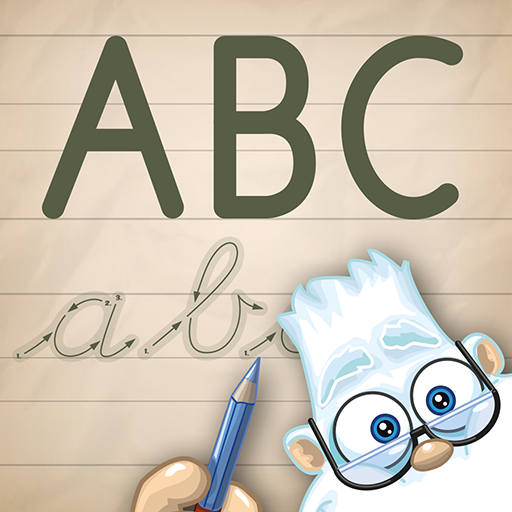
ABC with Yeti is a lovingly designed learning app for preschool and elementary school children.
Children learn playfully:
- letters
- handwriting
- first words
The app offers:
- 8+ learning activities
- 80 unlockable animals
- 9 different handwriting fonts
- Suitable for kindergarten, preschool, and elementary school
Discover More Parent Tips
From first letters and fine motor skills to pencil grip and school readiness: explore many more practical activities and ideas for preschoolers and elementary school children.
Explore all Parent Tips →