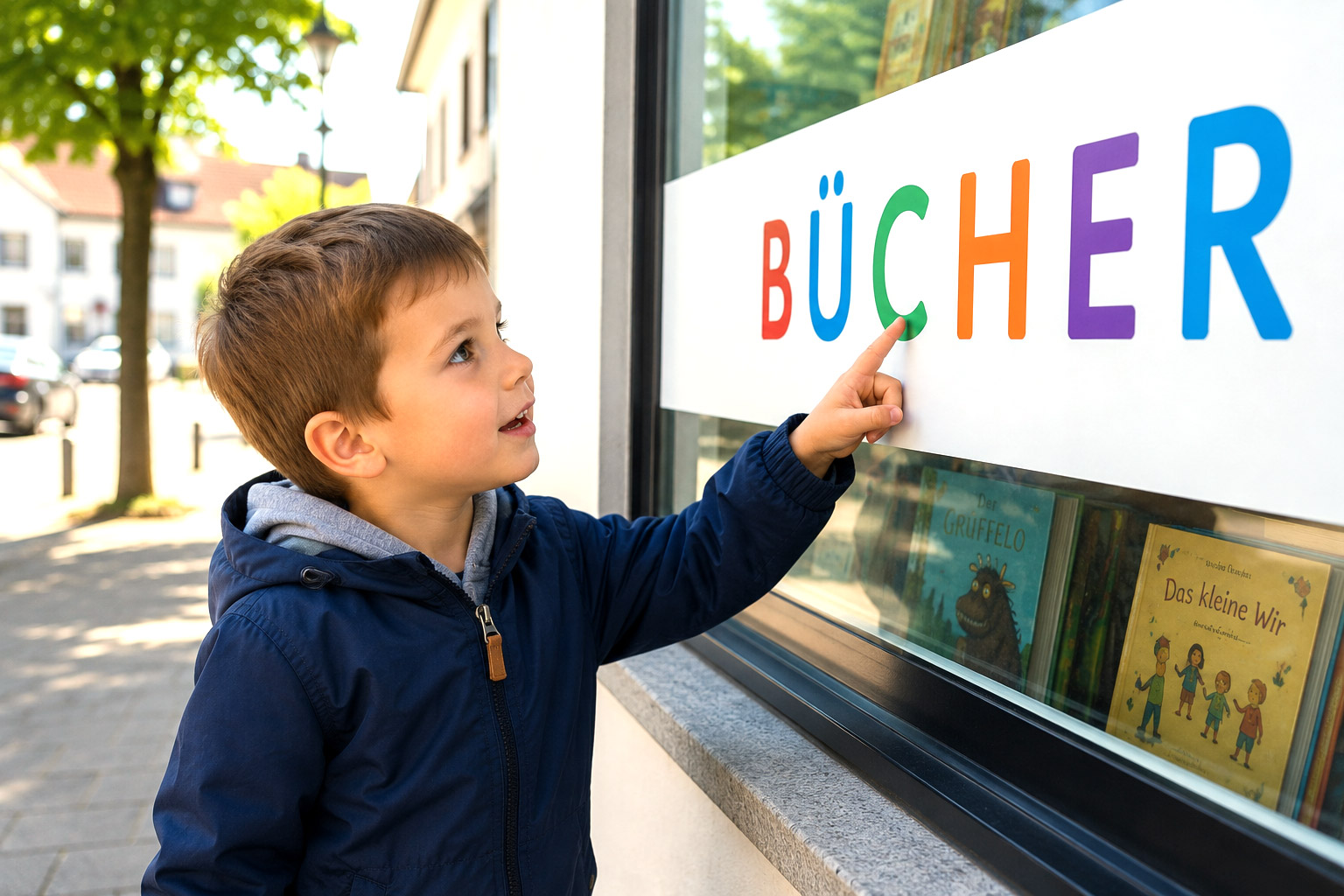
Learning to Recognize Letters is an important first step on the journey toward reading and writing. Children discover letters naturally in everyday life long before they start school.
Many preschool children become curious about the letters in their own names, on street signs, or in their favorite books. Parents can support this curiosity through playful activities and positive experiences.
The goal is not to memorize the entire alphabet as quickly as possible. Instead, children should enjoy exploring letters at their own pace.
In this article:
- Why Is Letter Recognition Important?
- When Do Children Start Recognizing Letters?
- Playful Activities for Letter Recognition
- Discovering Letters in Everyday Life
- Common Mistakes to Avoid
- Using Digital Learning Tools
- Conclusion
Why Is Letter Recognition Important?
Before children learn to write, they first need to recognize letters. Letter recognition builds an essential foundation for later reading and writing skills.
Children encounter letters every day: on street signs, packaging, books, and digital media. Many children first become interested in the letters of their own names.
As children become more familiar with letters, learning to read usually becomes easier. Positive early literacy experiences at home can significantly support later school success.
When Do Children Start Recognizing Letters?
Many children begin recognizing individual letters between the ages of three and five. Some children show interest even earlier, while others become curious closer to school entry. Both are perfectly normal.
Children are often especially interested in the letters of their own names or the first letters of family members’ names. Starting with personally meaningful letters is highly motivating.
Parents should avoid creating pressure. The most important goal is to encourage the child’s natural curiosity and enjoyment of learning.
Playful Activities for Letter Recognition
Children learn letters best through playful activities that involve multiple senses. Multi-sensory learning experiences help children remember letter shapes more easily.
Popular activities include:
- looking at and naming letter cards
- searching for beginning letters of objects
- forming letters with modeling clay
- solving letter puzzles
- using magnetic letters
- drawing and coloring favorite letters
Short playful sessions are usually completely sufficient. Children learn more effectively through frequent, enjoyable experiences than through long lessons.
Discovering Letters in Everyday Life
Everyday life offers countless opportunities for learning.
Children can discover letters on food packages while shopping, on street signs during walks, or in books at home. Parents can simply point to letters and ask playful questions such as: “Can you find the first letter of your name?”
Reading books together is another excellent way to introduce letters naturally while simultaneously supporting language development.
Common Mistakes to Avoid
A common mistake is introducing too many letters at once.
Children often learn more successfully when they first focus on a few familiar letters, especially those from their own names.
Learning should always remain positive. Excessive pressure, frequent testing, or constant correction may reduce motivation and enjoyment.
Using Digital Learning Tools
Digital learning resources can complement letter recognition activities.
It is important that digital content is age-appropriate, playful, and designed specifically for young children. Apps that combine letters with sounds, images, and interactive games are often particularly engaging.
However, digital learning should not replace real-world experiences. Children benefit most when digital activities are combined with hands-on experiences such as drawing letters in sand, shaping letters from clay, or discovering letters during everyday routines.
Conclusion
Learning to Recognize Letters is an important milestone on the path toward reading and writing.
Through playful activities and many positive experiences in everyday life, parents can help children discover letters with curiosity and without pressure.
The more frequently children encounter letters in meaningful situations, the easier later reading and writing usually become.
Frequently Asked Questions About Letter Recognition
At what age do children recognize their first letters?
Many children begin recognizing individual letters between three and five years of age.
Which letters should children start with?
The letters in a child’s own name or the first letters of family members’ names are often especially motivating.
Do preschool children need to know all letters?
No. Interest in letters and enjoyment of learning are much more important than knowing the entire alphabet before school.
How can parents support letter recognition?
Through playful activities, books, conversations, and discovering letters during everyday life.
ABC with Yeti is a lovingly designed educational app for preschool and elementary school children.
Children learn playfully:
- letters
- handwriting
- first words
The app offers:
- 8+ learning activities
- 80 unlockable animals
- 9 different handwriting fonts
- Suitable for preschool, kindergarten and elementary school
Discover More Parent Tips
From learning letters and handwriting to fine motor skills and school readiness: explore many more practical activities and ideas for preschool and elementary school children.
Explore all Parent Tips →