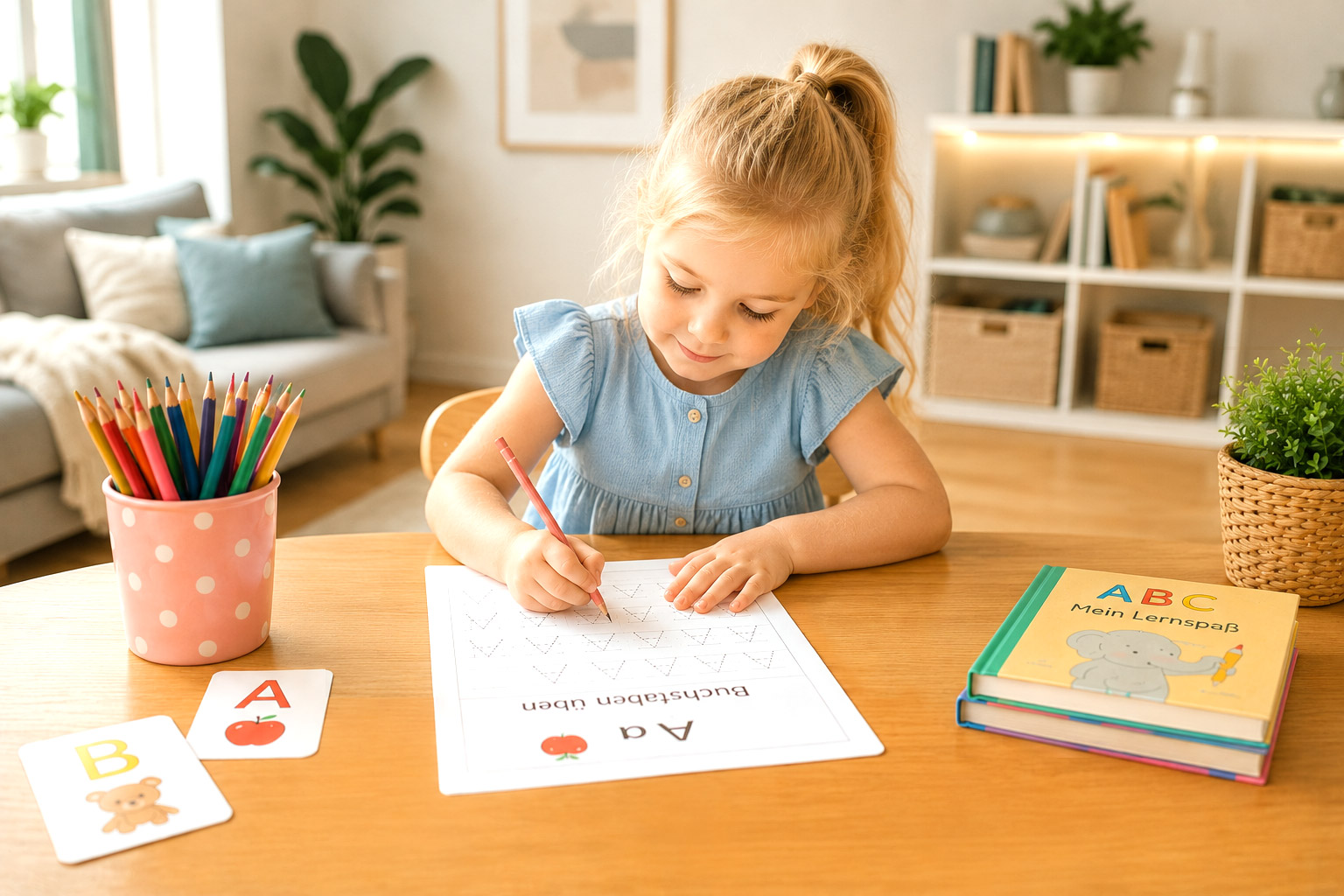
Writing at age 5 is an exciting milestone for many children. Around this age, preschoolers often become curious about letters, words, and early writing activities.
Many parents wonder when children should start learning to write. By the age of five, many children already show an interest in letters and first words. Through playful activities, parents can nurture this curiosity and lay a strong foundation for school.
At this stage, children do not need to write perfectly. Instead, the focus should be on exploring letters, developing fine motor skills, and enjoying early writing experiences.
In this article:
- Is age 5 the right time to start learning to write?
- What skills should children have before learning to write?
- Playful writing activities at home
- Common mistakes parents should avoid
- Using digital tools to support writing skills
- Conclusion
Is age 5 the right time to start learning to write?
Many parents ask themselves when children should begin learning to write. During the preschool years, many children naturally become interested in letters and first words. Playful activities can help parents encourage this curiosity and lay important foundations for school readiness.
For many children, the age of five is a wonderful time to gain first experiences with writing. At this stage, children do not need to write complete sentences correctly or develop perfect handwriting. Much more important is that they discover the joy of letters, words, and expressing themselves through writing.
Every child develops at their own pace. Some children may already write their names or recognize simple words, while others still prefer drawing and painting. Both are completely normal. Parents should avoid putting pressure on their children and instead support their natural curiosity.
Learning to write should always remain playful and age-appropriate. Children learn best through positive experiences, encouragement, and small successes.
What skills should children have before learning to write?
Before children begin learning to write, they do not need to know all letters. However, certain basic skills can make the process easier.
One of the most important foundations is well-developed fine motor skills. Children should be able to hold a pencil comfortably and enjoy tracing lines, circles, or simple shapes. Activities such as cutting, crafting, and drawing also strengthen fine motor development and prepare children for writing.
Language development is equally important. Children who know many words and enjoy telling stories often find it easier later to understand the relationship between sounds, letters, and words.
Additional helpful skills include:
- interest in letters and print
- enjoyment of books and stories
- ability to concentrate for short periods
- curiosity about language and words
- enjoyment of drawing and creative activities
Parents should always remember that every child learns at their own pace. Comparing children with siblings or peers is rarely helpful.
Playful writing activities at home
Children learn especially well when learning feels like play. Even just a few minutes each day can make a big difference.
A simple activity is practicing writing their own name. Many children are proud when they can write their names on drawings, crafts, or small notes.
Letters in everyday surroundings also provide many learning opportunities. Parents can discover and name letters together on street signs, packaging, or in books.
Popular writing activities include:
- tracing letters
- building words with magnetic letters
- writing family members’ names
- forming letters with sand or play dough
- writing words on whiteboards or chalkboards
- playing rhyming and sound games
Activities that allow children to create something themselves are particularly motivating. A handmade name sign for their bedroom or a greeting card for grandparents is often much more enjoyable than traditional worksheets.
Short practice sessions of five to ten minutes are usually sufficient. Consistency is much more important than long learning sessions.
Common mistakes parents should avoid
Parents naturally want to support their children as much as possible. However, certain well-intentioned behaviors can unintentionally make learning more difficult.
One common mistake is putting too much pressure on children. When children feel constantly evaluated, they may quickly lose interest in writing. Mistakes are a normal part of learning and should be accepted as such.
It can also be problematic to expect perfection too early. Preschool children do not need to write letters perfectly. At first, understanding shapes, lines, and the connection between sounds and letters is far more important.
Other common mistakes include:
- practice sessions that are too long
- constant correction
- comparing children with others
- unrealistic expectations
- lack of positive feedback and success experiences
Praise, patience, and celebrating small achievements are much more effective. Children develop confidence when they feel their efforts are appreciated.
Using digital tools to support writing skills
Besides paper and pencils, digital learning tools such as ABC with Yeti can be a valuable addition to learning to write. Many children are naturally curious about tablets and educational games, which can increase motivation.
However, digital activities should always be age-appropriate and educationally meaningful. High-quality learning apps combine playful elements with clear learning goals and immediate feedback.
Digital tools can help children:
- practice letter formation
- connect sounds and letters
- understand writing movements
- improve concentration and motivation
- learn independently
ABC with Yeti offers children playful opportunities to practice letters, first words, and handwriting at their own pace through more than 8 learning activities, 80 unlockable animals, and 9 different handwriting styles.
Digital activities should not replace writing with paper and pencil but can enrich and diversify the learning experience.
Conclusion
For many children, age five is a great time to begin exploring writing. What matters most is not how quickly a child progresses but whether they enjoy learning.
With playful activities, patience, and a positive learning environment, parents can support their children effectively. Short and regular activities help build motivation and prepare children for school.
Whether using paper, pencils, creative games, or digital tools, learning to write should always be enjoyable. Positive early experiences often foster a lasting interest in language, reading, and writing.
Frequently Asked Questions About Learning to Write at Age 5
Can a 5-year-old already learn to write?
Yes. Many children become interested in letters and first words around the age of five. A playful, pressure-free approach is important.
Should preschool children be able to write their names?
Not necessarily. Some children can write their names before starting school, while others learn later.
How long should children practice each day?
Usually, five to ten minutes per day are completely sufficient.
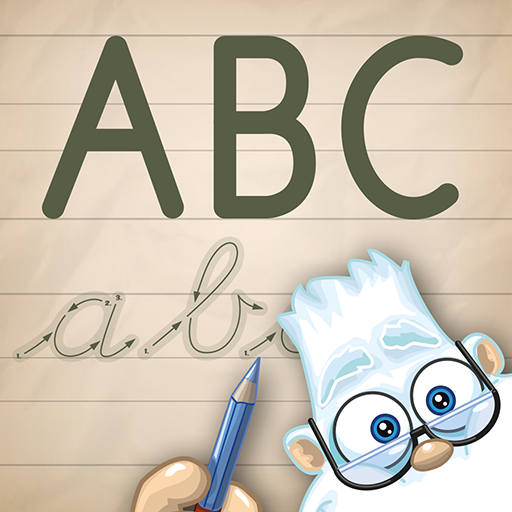
ABC with Yeti is a lovingly designed educational app for preschool and elementary school children.
Children learn playfully:
- letters
- handwriting
- first words
The app offers:
- 8+ learning activities
- 80 unlockable animals
- 9 different handwriting fonts
- Suitable for preschool, kindergarten and elementary school
Discover More Parent Tips
From learning letters and handwriting to fine motor skills and school readiness: explore many more practical ideas and activities for preschoolers and elementary school children.
Explore all Parent Tips →