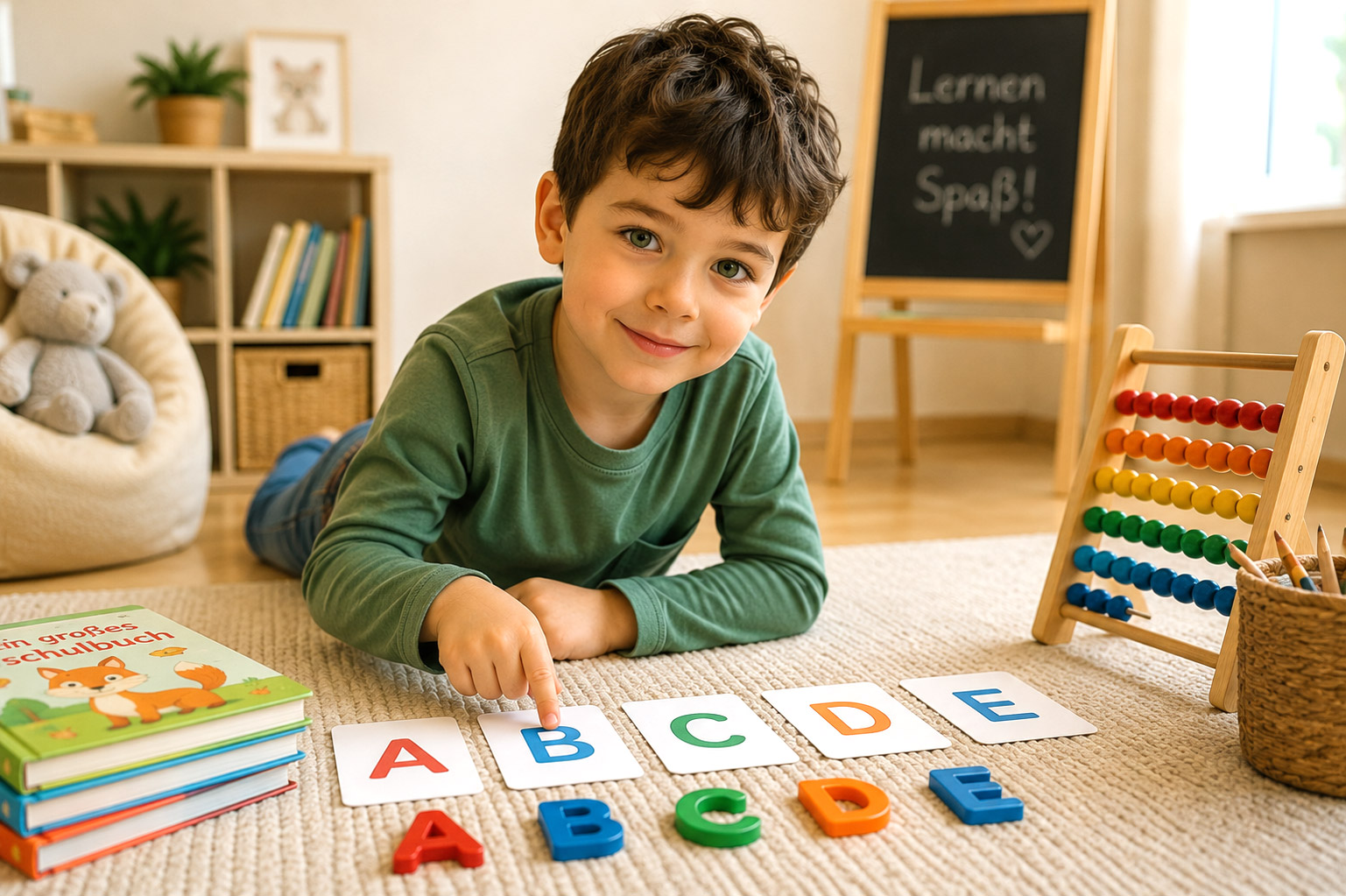
Preschool at Home can be a wonderful way to prepare children for school without pressure or stress. The good news is that school readiness does not begin with worksheets or hours of formal practice.
Instead, children benefit most from playful experiences that encourage curiosity, confidence, and essential early learning skills. Everyday activities often provide the best learning opportunities.
With small activities integrated into daily routines, parents can help their children build strong foundations for reading, writing, and mathematics before starting school.
In this article:
- Why Is School Readiness Important?
- Which Skills Should Children Develop?
- Integrating Learning into Everyday Life
- Playful Ideas for Home
- Common Mistakes in School Preparation
- Using Digital Support Wisely
- Conclusion
Why Is School Readiness Important?
School readiness helps children build important foundations for future learning success. It is not about being able to read, write, or calculate before starting school. Much more important are curiosity, concentration, independence, and a positive attitude toward learning.
Children who gain positive learning experiences before school often begin elementary school with greater confidence and are better prepared to cope with new challenges.
School preparation should always focus on the whole child rather than academic performance alone. Emotional, social, and motor development are equally important.
Which Skills Should Children Develop?
Before starting school, children especially benefit from developing the following skills.
Important school readiness skills include:
- fine motor skills and pencil grip
- concentration for short tasks
- language comprehension
- listening and storytelling skills
- independence in everyday situations
- interest in numbers and letters
- social and emotional skills
These abilities usually develop naturally through play and everyday experiences. Every child develops at their own pace.
Integrating Learning into Everyday Life
Many learning opportunities arise naturally throughout the day. Children can read signs while shopping, compare quantities while cooking, or discover letters during walks.
Conversations about experiences, stories, and pictures also support language development and prepare children for later reading and writing.
Parents do not need special teaching materials. Everyday routines often provide the richest and most meaningful learning experiences.
Playful Ideas for Home
Children learn best when activities are enjoyable and playful.
Popular activities include:
- forming letters with play dough
- practicing writing their own name
- rhyming games and language activities
- reading picture books together
- playing memory games with letters
- discovering numbers in everyday life
- cutting, crafting, and drawing
Short activities lasting five to ten minutes are usually completely sufficient and help maintain children’s motivation.
Common Mistakes in School Preparation
Parents naturally want to help their children succeed. However, certain approaches can unintentionally create stress.
Common mistakes include:
- expecting academic achievements too early
- planning learning sessions that are too long
- constantly correcting mistakes
- comparing children with others
- providing too little encouragement and praise
Children learn best when learning is enjoyable. Positive experiences and encouragement strengthen motivation and self-confidence.
Using Digital Support Wisely
Digital learning tools can meaningfully support school readiness when used appropriately. Educational content should always be age-appropriate, ad-free, and pedagogically valuable.
Learning apps allow children to discover letters, numbers, and first words in playful ways and at their own pace.
Educational apps such as ABC with Yeti provide children with playful opportunities to practice handwriting, recognize letters, and explore first words through engaging learning activities and motivating rewards.
Digital learning should always complement shared activities, creative play, and real-world experiences.
Conclusion
Successful Preschool at Home is not about pressure or performance. Instead, children benefit most from curiosity, positive experiences, and enjoyable learning opportunities.
With small playful activities integrated into everyday life, parents can effectively support school readiness and help children begin school confidently and motivated.
Children who gain positive experiences with language, letters, and numbers often start elementary school with greater self-confidence and enthusiasm for learning.
Frequently Asked Questions About Preschool at Home
How can I prepare my child for school at home?
Playful activities such as reading together, crafting, language games, and first experiences with letters and numbers are excellent preparation.
Should children be able to read before starting school?
No. Curiosity, language development, concentration, and enjoyment of learning are much more important.
How much daily practice is necessary?
Short activities lasting five to ten minutes are usually completely sufficient.
Which skills are most important before starting school?
Fine motor skills, language comprehension, concentration, independence, and social skills are among the most important foundations.
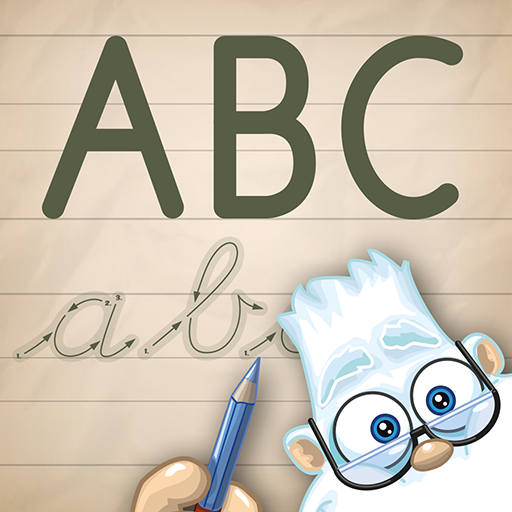
ABC with Yeti is a lovingly designed educational app for preschool and elementary school children.
Children learn playfully:
- letters
- handwriting
- first words
The app offers:
- 8+ learning activities
- 80 unlockable animals
- 9 different handwriting fonts
- Suitable for preschool, kindergarten and elementary school
Discover More Parent Tips
From learning letters and handwriting to fine motor skills and school readiness: explore many more practical ideas and activities for preschoolers and elementary school children.
Explore all Parent Tips →